
Market update • 3 February 2026
RBA Rate Hike: What It Means for Your Home Loan (and Why It’s Time to Check Your Rate)
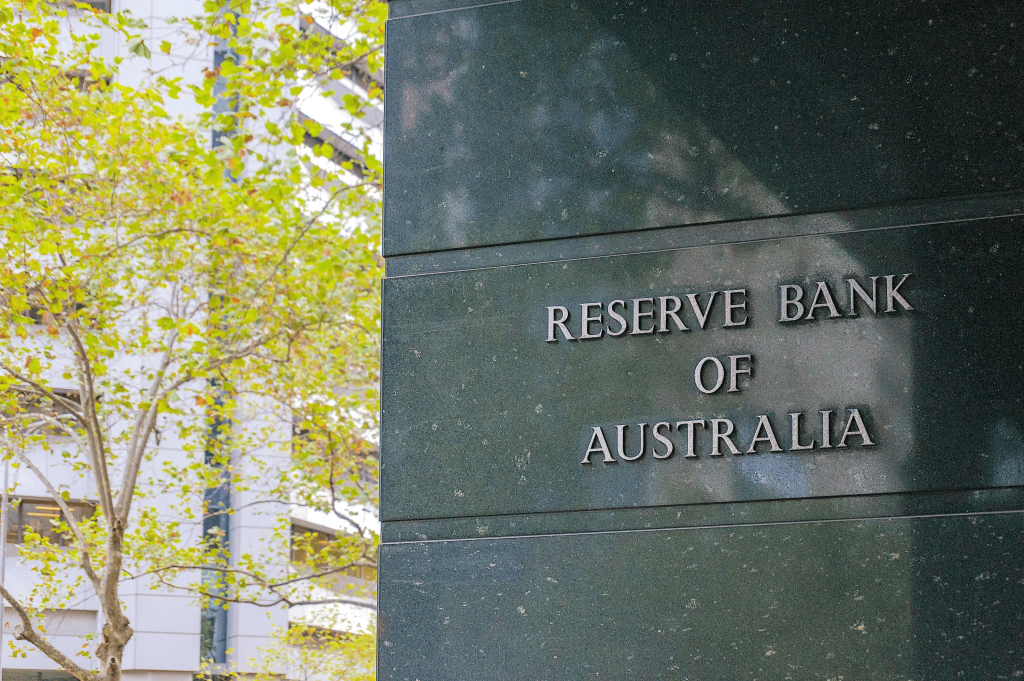
The Reserve Bank of Australia (RBA) has lifted the cash rate by 0.25% to 3.85%. If you’ve got a home loan — especially a variable one — this is your cue to review your interest rate and make sure you’re not quietly overpaying.
Sources: Broker Daily • RBA media release • ABS CPI
What happened today?
The RBA increased the cash rate target to 3.85% on 3 February 2026. The central bank cited inflation that has been more persistent than expected, alongside stronger private demand and continued housing market activity.
Real talk: Banks tend to move quickly when rates go up. They’re not always as fast to sharpen your rate unless you ask (or you’re ready to switch).
Will your mortgage repayments rise?
If you’re on a variable rate, your lender may pass on some (or all) of the increase. Even a small change can add up over time.
Example repayment impact
A commonly used example: on a $500,000 loan, if your rate rises from 5.25% to 5.50%, repayments move from roughly $2,761 to $2,838 per month (about +$77/month).
Figures are indicative only and will vary based on your loan size, term, and features. Source: Broker Daily
Offset and redraw can soften the blow
If you’ve got funds in an offset account or available via redraw, you may reduce the interest charged by lowering your effective loan balance. (Translation: your savings can do more than just sit there looking pretty.)
What this could mean for buyers and the housing market
Higher rates usually reduce borrowing power and can moderate buyer urgency, but they don’t automatically cause a market crash. Price outcomes are influenced by supply constraints, local demand, and how borrowers adjust their budgets.
Borrowing power: tends to fall when rates rise, which can cool bidding and slow price growth.
Supply: limited listings can keep prices supported even when finance gets tighter.
Local impacts: higher-priced markets often feel rate changes more sharply than affordable regions.
Why the RBA moved: inflation is still too high
The RBA’s inflation target band is 2–3%. Recent readings have been above that range. The ABS reported CPI rose 3.8% in the year to December 2025, with trimmed mean inflation at 3.3%. When inflation remains elevated, rate pressure can persist.
The takeaway: now is the time to review your home loan rate
Whether rates rise again or not, today’s decision is the perfect trigger to ask: “Am I still on a competitive rate — or am I quietly overpaying?”
5 signs it’s time to act
- Your rate is higher than what you’re seeing advertised (even by ~0.30%–0.60%).
- You haven’t reviewed your loan in 12+ months.
- Your fixed rate ended and you rolled onto a higher variable rate.
- Repayments feel tighter due to rising living costs.
- You’re planning a purchase, upgrade, or investment in 2026.
What we can do (in plain English)
- Check your current rate and features (offset, redraw, fees).
- Compare options that match your goals (lowest rate vs flexibility).
- Calculate real savings after costs (so it’s not “rate theatre”).
- Help decide whether to negotiate or refinance.
- If you’re buying: tighten borrowing power and pre-approval strategy.
Book a rate review
If today’s announcement made you think “I should probably check my rate”… you’re right. A quick review can show whether you’re still competitive or paying the loyalty tax.
Quick chat? Call us and we’ll tell you if your rate looks competitive.
General information only and not financial advice. Any repayment examples are indicative and may not reflect your personal circumstances. Consider your objectives and circumstances before acting.